



April 2026, has to be the worst month I can ever remember in rural Isaan.
Not only did we have days and days of temps above 105f, it was super dry and dusty.
Dusty from the 1,000’s of sugarcane trucks making a bee-line for the sugarcane factory in Nong Ruea.
It has already rained in May, something that didn’t happen at all in April.
We always hope for rain. The rain will cool things off but it does not come without it’s own drawbacks.
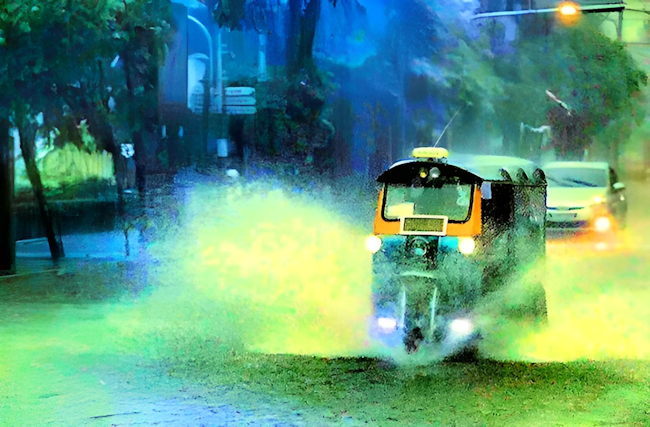
The rainy season means flooding, mud everywhere and having many times where getting soaked from the rain is unavoidable.
You have to understand, if you want to live in Thailand, that it is going to rain 6 months or more out of the year.
You have to be prepared and educated what to do and what not to do.
When it rains, the humidity will be sky-high.
I light weight disposal poncho from 7 Eleven is your best bet here.
Thai people will be use to wearing rain jackets, but for most westerners, those are just to hot.
If you get caught driving a motorbike in the rain, be advised the wind screen on your helmet will fog up and being covered with rain. Tip: Always carry a cloth under the seat.
Do NOT attempt to cross high water, even if you see others doing it, if you are unsure what is under the water.
Deep rain water can cover up dangerous potholes and washouts.
Riding in deep water will cause your motorbike brakes to be wet and not effective; plan on going slow.
The best advice if you are caught out, is pull over somewhere and wait it out.
No hurry, this is Thailand.
1. Expect Short, Intense Rain — Not All-Day Storms
Most rain comes in heavy bursts (often late afternoon or night), especially in places like Bangkok or Khon Kaen. Plan outdoor activities in the morning and keep afternoons flexible.
2. Always Carry a Compact Rain Setup
Forget bulky gear. What actually works:
- Small foldable umbrella
- Lightweight poncho (better than a rain jacket in humidity)
- Waterproof phone pouch
You’ll use these daily.
3. Choose Accommodation Strategically
Flooding can happen—even in major areas of Bangkok and Pattaya.
- Avoid ground-floor rooms
- Check recent reviews mentioning “flooding” or “drainage”
- Stay near elevated roads or BTS/MRT lines if in Bangkok
4. Use Ride Apps Instead of Walking or Taxis
When it rains, taxis get scarce and often refuse fares. Apps like Grab or Bolt are faster and more reliable.
5. Watch Out for Mosquito Surges
Rain = standing water = more mosquitoes.
- Use repellent daily
- Stay in places with screens or AC
- Be aware of Dengue Fever (still present in Thailand)
6. Pack the Right Footwear (This Matters More Than You Think)
- Flip-flops or waterproof sandals for daily use
- Avoid sneakers unless you like walking in soaked shoes
- Streets flood quickly—even in cities like Chiang Mai
7. Plan Island Travel Carefully
Some islands are heavily affected by monsoons:
- Gulf side (e.g., Koh Samui) is usually better mid-year
- Andaman side (e.g., Phuket) can be rough with waves and boat cancellations
Check conditions before booking ferries.
8. Expect Delays in Transport
- Flights, buses, and ferries can be delayed
- Rural roads (especially in Isaan) can get muddy or partially flooded
Always build buffer time into your plans.
9. Take Advantage of Low Season Deals
Rainy season = fewer tourists.
- Hotels and flights are cheaper
- Attractions are less crowded
- You’ll get better service almost everywhere
This is actually one of the smartest times to travel if you’re flexible.
10. Use Rain to Your Advantage
Some places are better in the rain:
- Waterfalls (like in Khao Yai National Park) are at full power
- Rice fields turn bright green (especially around Isaan)
- Cooler temperatures compared to peak hot season
Quick Reality Check
Rainy season in Thailand isn’t constant misery—it’s predictable chaos. If you:
- Plan mornings well
- Stay flexible
- Use apps and local knowledge
…it becomes one of the best-value travel periods in the country.