

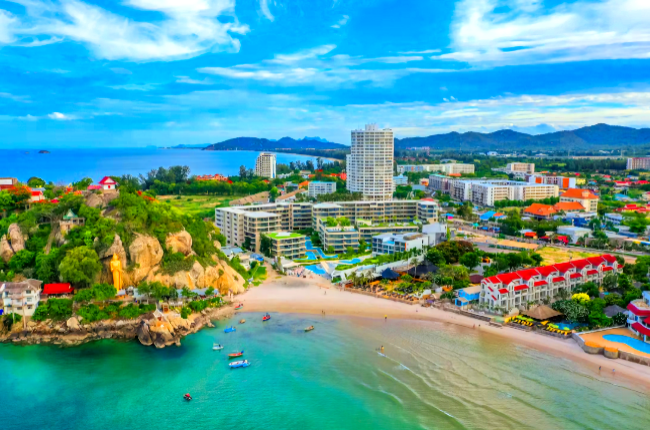

Cost of Living in Hua Hin, Pranburi, Pak Nam Pran & Sam Roi Yod, Thailand.
Moving to Thailand’s Prachuap Khiri Khan coast offers a range of lifestyle options, from the bustling resort town of Hua Hin to the tranquil fishing villages of Pak Nam Pran and Sam Roi Yod, with Pranburi bridging the gap.
All four locations boast a lower cost of living than Western countries, but they differ in housing costs, amenities, and expat vibes.
Below we provide a comprehensive comparison of monthly living expenses across three lifestyle tiers—budget, mid-range, and luxury—for singles, couples, and families of four. We also highlight each area’s beaches, attractions, expat community, and infrastructure to help prospective expats and retirees make an informed choice.
Cost of Living Breakdown by Lifestyle Tier
Living costs in coastal Thailand can be incredibly flexible, with a frugal single person able to live on as little as ฿19,600–26,000 per month in the quieter areas, while a family seeking Western comforts might spend ฿65,000+ in Hua Hin. The biggest factor is housing: Hua Hin’s popularity means higher rents, whereas Sam Roi Yod’s rural setting offers bargain prices. Food, utilities, and transport are relatively affordable everywhere, though indulging in Western-style dining or owning a car will raise your budget. Let’s get started.
Budget Lifestyle
Monthly Cost Estimates (Budget Lifestyle):
Location
Single (BAHT) Couple (BAHT) Family of 4 (BAHT)
Hua Hin ~26,000 /29,000 ~32,000 – 36,000 ~48,000 – 54,000
Pranburi~23,000 – 26,000 ~25,000 – 29,000 ~44,000 – 50,000
Pak Nam
Pran~22,000 – 25,000 ~26,000 – 30,000 ~43,000 – 49,000
Sam Roi Yod
~19,000 – 21,000 ~23,000 – 27,000 ~33,000 – 39,000
Estimated budget totals above assume a small, rented home, local food, one scooter, and minimal extra expenses.
A budget lifestyle means opting for local housing, eating like locals, minimal paid entertainment, and using public transport or a scooter. It’s quite possible for a single expat to live on around ฿30,000 per month in Hua Hin, or even less in outlying areas. This tier typically involves renting a simple studio apartment or Thai-style house, frequenting street food stalls and fresh markets, and keeping utilities low by limiting air-con use.
- Housing (Budget): In Hua Hin, a basic studio or one-bedroom apartment can cost around ฿10,000–13,000. In smaller towns the same budget goes further: Pranburi houses start around ฿8,000, and in Sam Roi Yod small homes rent for as little as ฿5,000–7,000. These modest rentals often come with fans instead of AC and local-style furnishings.
- Food: Sticking to Thai cuisine keeps costs very low. Street food meals cost about ฿50–฿70 each, so a month of local eating might be ฿5000. All four towns have open-air markets where fresh produce, rice, and noodles are cheap; many budget expats spend only ฿3,000–฿4,000 on groceries by buying local. Western food is pricier, so it’s an occasional treat at this budget.
- Utilities: Expect ฿1,500–฿2,000 for electricity and water if you use AC. High-speed internet or a data plan adds about ฿600–฿800. All areas share similar utility costs, with only usage (like air conditioning) making a big difference.
- Transportation: A scooter rental is the budget choice, about ฿2,500–฿3,500 per month, or one can buy a used motorbike relatively cheaply. In Sam Roi Yod, many get by with a scooter and use local buses or vans (fare to Hua Hin ฿50). Fuel is about ฿35–฿40/L, so a few hundred baht in gas can last a month of short trips.
- Healthcare: On a tight budget, one might rely on public clinics or inexpensive local pharmacies for minor issues. Routine care is very cheap by Western standards – e.g. a clinic visit will be only ฿200–฿500. Many budget retirees carry basic health insurance or pay out of pocket for checkups. Bangkok Hospital has private major hospitals along with San Paulo. Bangkok Hospital also has a clinic in Pranburi.
- Leisure: Nature is the entertainment in budget living. Fortunately, these areas abound in free or low-cost activities. Exploring beaches, hiking in Sam Roi Yod National Park, or visiting temples costs little to nothing (park entry ฿200 for foreigners). A simple local café outing or market trip might be the extent of paid entertainment, budget ฿1,000 or so monthly for extras.
Mid-Range Lifestyle
Monthly Cost Estimates (Mid-Range Lifestyle):
Location
Single (BAHT) Couple (BAHT) Family of 4 (BAHT)
Hua Hin ~36,000 – 40,000 ~48,000 – 53,000 ~65,000 – 81,000
Pranburi ~33,000 – 37,000 ~45,000 – 50,000 ~60,000 – 76,000
Pak Nam
Pran ~30,000 – 34,000 ~43,000 – 48,000 ~58,000 – 74,000
Sam Roi
Yod ~26,000 – 30,00 ~32,000 – 38,000 ~48,000 – 64,000
These estimates include renting a modern home, using AC, dining out weekly, and moderate entertainment.
A mid-range lifestyle in these Thai coastal towns allows for more comfort and Western conveniences while still being affordable. This tier might include renting a modern condo or a villa with two bedrooms, using air-conditioning regularly, mixing local and international foods in your diet, and enjoying occasional evenings out or weekend trips. Many expat couples live very comfortably on about ฿48,000–50,000 per month in Hua Hin, and often less in the smaller towns.
Housing (Mid-range): In Hua Hin, ฿15,000–฿20,000 per month can rent a nice 2-bedroom condo or townhouse. Pranburi offers more space for the money – around ฿12,000–฿15,000 secures a modern house. Pak Nam Pran has 2-bedroom pool villas in the ฿26,000 range, which is a luxury in a mid-tier budget. Sam Roi Yod, being rural, might have large homes for ฿15,000 to ฿20,000.
Food: Mid-range expats tend to mix market shopping with supermarket splurges. You might spend ฿7,000–฿8,000 a month on groceries if you buy imported cheese, wine, or cereal. Dining out becomes a regular occurrence: for instance, a meal at a mid-range Thai restaurant is about ฿150–฿300 per person, and a Western meal (pizza, steak, etc.) can be ฿300–฿500. A couple might budget ฿10,000 for eating out, which allows a few restaurant dinners and cafe visits each week.
Utilities: With more frequent air-con use, expect higher utilities. Electricity might be ฿2,500–฿4,000 especially in hot season, plus water ฿300. High-speed home internet ฿800. Overall, ฿4,000–฿5,000 covers typical utilities and internet for a mid-range household.
Transportation: Many mid-range expats still rely on a motorbike, and local transportation. Couples with children might find a car necessary for grocery trips and school runs. Without a car, one can comfortably use scooters and the occasional taxi/Grab (short rides in Hua Hin are ฿150).
Healthcare: Mid-tier planning often includes private health insurance or at least regular private hospital visits. Plan Type: Inpatient-only or Inpatient .
Coverage:
- Annual Limit: Plan Type: Inpatient-only or Inpatient + Outpatient
- Coverage:
- Annual Limit: ฿800,000 – ฿6,000,000
- Room/Board: Private room (฿4,000–฿7,000/day coverage)
- Hospital Network: Nationwide, includes Bangkok Hospital, Bumrungrad, Samitivej, Bangkok Hospital Hua Hin
- Emergency Evacuation: Included
- Pre-Existing Conditions: Not covered or covered after a waiting period (typically 24 months)
- Annual Premium:
- ฿65,000 – ฿95,000 THB/year
- Can be reduced with a deductible (e.g., ฿20,000 or ฿50,000)
Key Notes:
- No pre-existing conditions keep premium costs lower.
- Plans often include direct billing at private hospitals.
- Optional outpatient, dental, or vision coverage may raise the premium.
- Some plans allow co-pay options to reduce base premiums.
- Room/Board: Private room (฿4,000–฿7,000/day coverage)
Luxury Lifestyle
Monthly Cost Estimates (Luxury Lifestyle):
Location
Single (BAHT) Couple (BAHT) Family of 4 (BAHT)
Hua Hin ~65,000 – 81,000 ~75,000 – 85,000 ~130,000+
Pranburi ~60,000 – 76,000 ~70,000 – 80,000 ~120,000+
Pak Nam
Pran ~58,000 – 74,000 ~68,000 – 78,00 ~118,000+
Sam Roi
Yod ~55,000 – 71,000 ~58,000 – 68,000 ~100,000+
A luxury lifestyle in this region is still a bargain compared to the West, but it can raise monthly costs substantially. This tier implies a spacious private pool villa or high-end condo, regular fine dining, owning a car (or two), comprehensive health insurance, and possibly international schooling for kids. With around ฿98,000– ฿165,000 a month, one can afford a very pampered life in any of these towns. Notably, ฿98,000 a month in Thailand is considered a high budget, affording “luxury accommodations, frequent travel, and healthcare.
Housing (Luxury): In Hua Hin, luxury often means a pool villa in an expat enclave or a large beachfront condo. These can easily cost ฿30,000–฿50,000++ per month rent for a 3–4-bedroom villa with a pool. Exclusive estates or ocean-view properties might run higher. Pranburi and Pak Nam Pran have upscale villas too. A premium 3-bed villa in Pak Nam Pran would rent for ฿25,000–฿45,000, offering similar luxury for a lower price. Sam Roi Yod has fewer high-end developments, but one could potentially rent a unique large home for ฿25,000 to ฿30,000 if available, since the area is so inexpensive. At this tier, some expats also consider buying property (while foreigners can’t own land, many purchase villas and lease the land long-term).
Food: With a luxury budget, you can frequently dine at upscale restaurants and resorts. Hua Hin has a variety of fine dining options, from beachfront seafood dinners to international cuisine at five-star hotels. Expect ฿1,000++ for two at high-end restaurants. Groceries might include imported meats, wines, and gourmet items – easily ฿10,000–฿15,000 monthly if you shop at Market Village or gourmet markets for imported goods. Many luxury retirees still enjoy cheap Thai food too, but the budget allows the freedom to choose. Monthly food drink spending could be ฿20,000 or more per person at this level.
Utilities & Services: Large homes with pools mean higher utilities. Running air-con in multiple rooms and a pool pump might bring the electric bill to ฿6,000+. Water usage is still cheap at ฿500. High-speed fiber internet (200+ Mbps) is available in Hua Hin for around ฿1,200 if you want top tier. Additionally, this lifestyle might include hiring a maid or gardener – many expats hire part-time help; a live-out maid might be ฿8,000 per month full-time, or a couple thousand baht for weekly cleaning. These services are affordable and often part of a luxury budget in Thailand.
Transportation: Most high-end expats own a private car (or SUV) for comfort and travel. Petrol is about ฿35/L and, combined with maintenance and insurance, owning a car would average ฿5,000+ per month (not including the purchase price). Some couples have two vehicles (e.g. a car and a scooter for errands). Additionally, one might employ a driver or regularly take private taxis for convenience. Even with these costs, transport remains reasonable – for example, hiring a private driver for a day trip would be around ฿2,000.
Healthcare: A luxury budget assumes top-notch healthcare. Many expats opt for comprehensive international health insurance, especially retirees. These plans can be $3,000–$8,000 per year, per person, depending on age and coverage, which is roughly $250–$650 per month for a couple. With such insurance, one can use Bangkok Hospital Hua Hin. Out-of-pocket, a specialist consultation in Hua Hin is only ฿1,000–฿2,000 – cheap, but with insurance you might not pay anything. Wellness is part of the lifestyle: expect to budget for massages, spa treatments (massage is ~฿300-400 at local spas, and maybe memberships to golf or country clubs.
Education: For a family of four with children, a significant luxury expense is international school tuition. Hua Hin has a few international schools (Hua Hin International School, BECC, etc.), and annual fees can be ฿300k–฿600k per child depending on grade.
Leisure & Travel: With more spending power, leisure might include regular getaways and expensive hobbies. In Hua Hin, one might join a golf club or have a yacht membership. Entertainment could be ฿10,000+ monthly if you’re frequently going out to nice bars, doing weekend trips to Bangkok or islands, and pursuing activities like horseback riding on the beach or fishing charters. Even so, many leisure activities in these areas are still nature-centric (beach walks, cycling, socializing at home) which don’t cost much – so luxury spending is very much a personal choice.
Now let’s really get into the budget details to shed light on the necessities and more.
Detailed Budget Breakdown – Average Across the Four Areas
Supermarket Items
Item Price (THB)
Milk (1 gallon) 120
Bread (1 lb.) 55
Jasmine Rice (1 lb.) 19
Eggs (Dozen) 55
Chicken Fillets (1 lb.) 48
Beef Round (1 lb.) 184
Apples (1 lb.) 16
Bananas (1 lb.) 11
Oranges (1 lb.) 14
Tomatoes (1 lb.) 24
Potatoes (1 lb.) 24
Onions (1 lb.) 18
Lettuce (1 head) 29
Water (1.5L) 18
Wine (Mid-Range) 620
Domestic Beer (0.5L) 49
Imported Beer (12 oz) 67
Restaurants / Fast Food
Item Price (THB)
Meal for 2 (Inexpensive) 131
Meal for 2 (3 Course) 947
Domestic Beer (Pint) 69
Imported Beer (12 oz) 98
Cappuccino 61
Coke/Pepsi (12 oz) 19
Water (12 oz) 13
McDonald’s Combo 214
Burger King Combo 216
KFC Combo 219
Personal Care
Item Price (THB)
Deodorant (50ml) 96
Gillette Mach 3 (4 blades) 510
Shampoo 2-in-1 (400ml) 108
Toothpaste (large) 58
Toilet Paper (6 rolls) 84
Entertainment
Item Price (THB)
Movie Ticket – Hua Hin 203
Street Coffee 33
Cafe Coffee 76
Street Food Meal 43
Restaurant Meal 221
Bar Drink 168
Temple/Museum Entry 200
Traditional Performance 310
Sports & Leisure
Item Price (THB)
Fitness Club (Monthly) 1094
Tennis Court (1hr Weekend) 187
Pickleball Court (1hr Weekend) 179
Golf – Award Winning 1475
Golf – Championship 3511
ClothingI
Item Price (THB)
Jeans (Levis 501 or similar) 668
Summer Dress (Zara, H&M) 820
Nike Running Shoes 2126
Men’s Leather Shoes 1514
Transportation
Item Price (THB)
Taxi Start 36
Taxi per Mile 42
Taxi 1hr Waiting 153
Car + Driver (per hour) 284
Rental Car (30 Days) 15290
Gasoline (1 gallon) 168
Hiring a Maid
Item Price (THB)
Full-time Live In Maid (Monthly) 15330
Part-time Maid (Daily) 219
Now that we’ve broken down the costs, let’s look at what each location has to offer beyond the budget sheets. Each town provides a unique environment, community, and lifestyle attractions that might sway your decision.
Hua Hin – Beach City Convenience
Hua Hin’s long sandy beach with the city in the distance. Hua Hin offers a blend of modern amenities and seaside charm for expats.
Hua Hin is the largest and most developed of the four locations, known for its beach resort city vibe and sizeable expat population. With a population around 85,000, it has amenities comparable to a small city while retaining a relaxed coastal feel. Expats are drawn to Hua Hin for its balanced lifestyle: one can enjoy Thai culture and local markets, then go golfing or dine at an Italian bistro the next day.
Beaches & Nature: Hua Hin’s main beach spans miles of white sand along the Gulf, great for morning walks and horseback riding. At the south end, Khao Takiab (Chopsticks Hill) offers a quieter beach and a hilltop temple with panoramic views. Weekends see kiteboarders skimming the waves. Just outside town there are attractions and waterfalls in Kaeng Krachan National Park (an hour’s drive). So, while Hua Hin is a city, nature is never far off.
Cafes, Restaurants & Markets: The town is famed for its night markets – the classic Hua Hin Night Market and the more artsy Cicada Market – where you can feast on street food, fresh seafood, and shop for crafts. There are countless eateries: local seafood restaurants on stilts at the fishing pier, authentic Thai eateries, and international options from British pubs to Japanese sushi.
Expat Community: Hua Hin has one of Thailand’s most established expat scenes outside Bangkok. Many retirees from Europe, North America, and Australia have settled here. You’ll find expat clubs, golfing groups, charity events, and social gatherings aplenty. Despite this, Hua Hin doesn’t feel “spoiled” by tourism – it retains a local Thai character alongside Western conveniences. English is widely spoken in businesses that cater to foreigners. For those seeking community, it’s easy to make friends; for instance, there are weekly meetup groups and a large Facebook presence for Hua Hin expats.
Infrastructure & Services: As a regional hub, Hua Hin boasts excellent infrastructure. There are modern shopping malls (Market Village, BluPort) with supermarkets, brand stores, and cinemas. Healthcare is a strong point – Bangkok Hospital Hua Hin and San Paulo Hospital offer high-quality medical care with English-speaking staff. Many expats choose Hua Hin specifically for its reliable medical facilities. The town also has several international schools (e.g. Hua Hin International School, BECC) for those who move with children. Getting around town is easy: besides personal vehicles, there are songthaews (shared taxis) on fixed routes and plenty of private taxis/Grab. Hua Hin is about 2.5–3 hours from Bangkok by road or train, making it accessible for weekend trips or visitors flying into the capital.
Lifestyle & Leisure: Known as a golfing haven, Hua Hin has at least 5 golf courses within a 30-minute radius. It even hosts international golf tournaments. Other leisure activities include spas and massage (from budget Thai massages to luxury spa resorts), watersports (kitesurfing, paddle-boarding), and even a water park for family fun. In the evenings, besides markets, there are live music venues, sports bars, and even a small craft brewery. Overall, Hua Hin offers the best “city-like” experience on this coast without the grind of a big city – one can get a cappuccino at Starbucks or see a new movie at the mall, then eat street noodles and watch fishermen pull in the day’s catch, all in the same day. It’s this mix that “ticks all the boxes” for many expats.
Summary: Hua Hin is ideal if you seek convenience and a social scene. You will pay more for housing and dining than in the smaller towns, but you gain access to quality healthcare, international education, and diverse entertainment. It’s a happy medium between Thai tradition and Western comfort, which is why Hua Hin often ranks as a top retirement destination.
Pranburi – Peaceful Town with Local Charm
Pranburi refers to both a small town and the surrounding district just south of Hua Hin. It offers a quieter, more rural lifestyle while still being only 20–30 minute’s drive from Hua Hin’s amenities. Pranburi town lies a few kilometers inland along the Pranburi River, whereas its coastal area (including Pak Nam Pran, covered next) is where you’ll find beaches. Life here moves at a slower pace, centered on local community and nature.
- Beaches & Nature: While Pranburi town itself is inland, it’s close to natural attractions. The Pranburi Forest Park is a highlight – a mangrove forest with elevated boardwalks and a quiet beach beyond the mangroves. The Pranburi River estuary is picturesque, especially at sunset when fishing boats return. Further south, Pranburi district borders the Khao Sam Roi Yot National Park, so you’re within easy reach of its limestone peaks, caves, and marshes. Many who live in Pranburi enjoy weekend picnics at Sai Noi or Kao Kalok beaches (in Pak Nam Pran) without the crowds of Hua Hin.
- Local Amenities: Pranburi has the basics covered. The town center has fresh markets, a small clinic, pharmacies, and banks. You won’t find malls or movie theaters here – for those, people drive to Hua Hin. What Pranburi offers is a more laid-back daily life: morning wet markets with farmers selling produce, roadside stalls for khao man gai (chicken rice) or pad kra pao, and a few Western-run cafes catering to the small expat group. Housing tends to be spread out – you can rent a house with a bit of land, giving a nice country feel. Internet and utilities are available much like Hua Hin (many work-from-home expats live here with no issues) but expect to drive a bit more to get around since everything is spaced out.
- Community & Expat Life: The expat community in Pranburi is modest but growing. It’s popular with retirees who find Hua Hin too busy or pricey. There’s also a niche of kitesurfers and eco-conscious folks drawn by the quiet coast. Expats here tend to integrate with the local rhythm – shopping at local markets, maybe learning some Thai since English is less spoken than in Hua Hin. The vibe is very friendly and laid-back; neighbors will likely greet you and you might find yourself slowing down to “Thai time” easily. While there may not be formal expat clubs in Pranburi, one is never far from Hua Hin’s expat gatherings if desired. Notably, a retiree described Pranburi and the surrounding coast as one of their “favorite places in all of Thailand”, noting that it’s quiet, not overrun with tourists, with breathtaking nature. Another commenter mentioned that most Bangkok weekenders stop at Hua Hin and don’t drive the extra few kilometers to Pranburi, leaving it nicely uncrowded. This encapsulates Pranburi’s appeal: it’s a bit off the main tourist track, retaining a genuinely tranquil atmosphere.
- Infrastructure: Pranburi has a district clinic (Bangkok Hospital) which can handle basic healthcare needs, though for anything complex expats go to Hua Hin to Bangkok Hospital or San Paulo Hospital. Road infrastructure is good – the main highway runs through it, making trips south or north to Hua Hin easy. There are local schools (Thai curriculum) and one or two bilingual/International programs in the greater area, but many expat families would send kids to Hua Hin for schooling. Public transport is limited to infrequent buses or songthaews; owning a vehicle is almost a must here. The plus side is light traffic and peaceful roads (often lined with pineapple fields, since Pranburi is known for its juicy pineapples).
- Highlights: Pranburi offers some subtle gems – a walking street market on certain weekends featuring traditional foods and crafts. There are a few cafes with river views that are great for lazy afternoons. Also, Khao Kalok (Skull Mountain) in Pak Nam Pran is technically in Pranburi district; it’s a distinctive dome-shaped hill on the beach, popular for short hikes to enjoy sea views. Living in Pranburi, you’ll likely spend leisure time on simple joys: cycling through backroads, birdwatching in wetlands, visiting small temples, or grilling seafood at home with friends. The lifestyle is very relaxed and local – ideal if you want to escape hustle and immerse in Thai provincial life yet stay within a short drive of city-like conveniences. As one expat put it, life is easily manageable with just a scooter here, and Hua Hin is close enough when you crave more options.
Summary: Pranburi is a middle-ground choice for those who want peace and affordability. It’s more affordable than Hua Hin – rents can be 10–20% lower for similar properties and offers a slower pace. You won’t have the nightlife or shopping variety at your doorstep, but for many retirees or remote workers, that’s a fair trade for Pranburi’s natural beauty and simplicity. Plus, whenever you need a dose of city, Hua Hin is just up the road. Pranburi truly delivers “small town Thailand” with an expat-friendly twist.
Pak Nam Pran – Coastal Village Life
This quiet village is known for its fresh seafood and laid-back beach vibe.
Pak Nam Pran (sometimes spelled Paknampran) is the coastal enclave of Pranburi district, where the Pranburi River meets the sea. It’s effectively the beach town for Pranburi. This area has gained popularity among expats seeking a peaceful seaside retreat. Life in Pak Nam Pran revolves around the quiet beach, fishing community, and a budding café scene, all set against the backdrop of Khao Kalok’s looming hill.
- Beaches & Attractions: The coastline here is beautiful in a raw, undeveloped way. Pak Nam Pran Beach is long and usually sparsely populated; you can often stroll or cycle along the beachfront road without encountering traffic. The beach isn’t as powdery as Hua Hin’s, but it’s clean and great for long walks. At the southern end stands Khao Kalok (which means Skull Mountain due to its shape) – a small mountain that you can hike for panoramic views of the bay. This area of beach is sometimes called Khao Kalok Beach, and it’s a popular spot for kiteboarding. In fact, Pak Nam Pran has become known internationally for kitesurfing; during the windy months, you’ll see colorful kites dotting the sky as enthusiasts take advantage of the strong sea breeze. The presence of the kiteboarding crowd gives the area a subtle sporty vibe (there are kite schools and gear shops around). For more nature, the northern edge of Pak Nam Pran has the estuary and mangroves of the Forest Park, and southwards you transition into Sam Roi Yot National Park territory, so there’s no shortage of outdoor exploration.
- Dining & Cafés: Despite being a small village, Pak Nam Pran has some notable eateries – often a mix of local and foreign-run. Seafood is king here: don’t miss the local catch at waterfront restaurants (large prawns, squid, and fish straight from the fishing boats). There’s a charming spot literally called Very Good Restaurant, beloved for its authentic Thai seafood (and yes, expats swear it lives up to the name). In recent years a few trendy cafes have opened, often in rustic wooden buildings or garden settings – for example, Brown Brew & Bistro is a cafe that became a hit for its coffee and brunch, showing the gradual emergence of hip spots. Still, nightlife is extremely low-key: perhaps a beer at a beach bar, or a gathering at someone’s home. Pak Nam Pran quiets down early; if you need more excitement, Hua Hin or even Pranburi town’s night market are options.
- Community & Lifestyle: The expat community in Pak Nam Pran is small and tightly knit. There is a modest number of Westerners (some retirees, some younger kitesurfing enthusiasts, and a few digital nomads or entrepreneurs who have set up eco-resorts and such. They often know each other – for instance, you might see the same faces at the weekly local market or morning beach walks. Social life can include informal meetups at cafes or group activities like the birdwatching tours or beach clean-ups; one description noted a “modest expatriate community” organizes meet-ups at local restaurants or group activities like birdwatching. The overall vibe is very tranquil. One can spend days simply enjoying the sea breeze, perhaps gardening or fishing. Locals are welcoming, though fewer speak fluent English compared to Hua Hin. It’s the kind of place where you wave to your neighbors (Thai or foreign) regularly and maybe pick up some basic Thai phrases to chat with the fruit seller or fishermen. As an expat in Pak Nam Pran, you’ll want to be somewhat self-sufficient or comfortable with quiet; the upside is a truly stress-free environment.
- Infrastructure: Pak Nam Pran is a small town, so the infrastructure is basic but adequate. There are convenience stores (7-Eleven, small Tesco Express), local markets for daily needs, and a scattering of ATMs and services. Serious shopping or hardware stores require a trip to Pranburi or Hua Hin. Healthcare locally is limited – for anything more you’d go to Bangkok Hospital Clinic Pranburi 15 minutes away or Hua Hin’s facilities. Roads are in decent condition, and the coastal road from Pak Nam Pran heading south offers a beautiful scenic drive with little traffic. As for schools, no major international school is in Pak Nam Pran; families living here would look at Hua Hin or possibly homeschool or enroll in a smaller bilingual school in Pranburi. However, given the draw of the area is often retirees or couples without school-age kids. Internet connectivity is fine – many guesthouses and cafes offer WiFi.
- Highlights: Living in Pak Nam Pran comes with simple pleasures. You can buy seafood right off the boat in the mornings from the fishing pier – imagine fresh squid for a few dollars. If you’re into wellness, some resorts in the area offer yoga classes or spa days which you can join. And if you have a bit of adventurous spirit, you’ll love the seasonal events: the kiteboarding competitions or the occasional beach festival sponsored by the local tourism authority. Importantly, Pak Nam Pran is often mentioned in lists of one of the cheapest places to live in Thailand.
Summary: Pak Nam Pran is perfect for nature lovers and tranquility seekers. It’s a place where you trade big supermarkets and hospitals for seclusion and natural beauty. The cost of living is mid-range by Thai standards – a bit more than inland villages because of the attraction of the beach, but still less than Hua Hin. You might end up spending a bit more on having a car (since you may want to drive to Hua Hin occasionally), but you save on daily expenses by living like the locals. Those who live here rave about the clean air, deserted beaches, and easygoing lifestyle. If your dream is to wake up, walk on a quiet beach, grab coffee at a small cafe where they know your name, and in the evening maybe grill fresh seafood as the sun sets, Pak Nam Pran could be your paradise.
Sam Roi Yod – Close to Nature and Away from it All
Sam Roi Yod (often spelled Sam Roi Yot) is a district and national park located south of Pranburi. The name means “Mountain of Three Hundred Peaks,” which hints at the dramatic landscape defining the area. This is the sleepiest and most affordable of the four locales – essentially a string of small villages along Dolphin Bay (the local beach) and the verdant expanse of Khao Sam Roi Yot National Park in the background. For an expat or retiree who truly wants to escape the crowds and live among nature, Sam Roi Yod is ideal.
- Scenery & Nature: Sam Roi Yod’s scenery is stunning. Limestone karst mountains rise sharply from rice paddies and wetlands, creating a postcard-worthy vista that never gets old. The district includes the Thung Sam Roi Yot freshwater marsh, the largest wetland in Thailand, which is fantastic for bird watching (particularly migratory birds). The coastline, known as Dolphin Bay, is a tranquil sandy bay dotted with fishing boats. The beach is shallow and safe, great for kids or casual swimming. The national park offers attractions like the famous Phraya Nakhon Cave, where a pavilion was built inside a cavern illuminated by a natural skylight – a must-visit hike that encapsulates Thailand’s beauty. There are also several other caves (like Tham Kaew) and viewpoints, plus Sai Thong Beach and Laem Sala Beach that can only be accessed by boat or foot, keeping them pristine. Living here, you might find yourself exploring these natural spots often, since they’re practically in your backyard.
- Lifestyle & Pace: Life in Sam Roi Yod is extremely quiet and relaxed. The area is essentially rural. One expat who lives there described it as “a really beautiful area and very peaceful,” noting the pleasant weather and popularity of kitesurfing around there. There is no town center to speak of – just clusters of villages. A few small family-run resorts and guesthouses line the beach, but on weekdays the area is almost empty of tourists. At night, darkness prevails aside from starry skies, as there are minimal streetlights. This slow pace is a double-edged sword: wonderful for those content with solitude or hobbies like reading, writing, gardening, cycling; potentially challenging if you crave social activities or shopping. As one person bluntly put it, “it does not make for a stimulating life” if you’re used to city bustle. However, the people who choose Sam Roi Yod usually want a non-stimulating life in the traditional sense – the stimulation comes from nature and simple daily rituals. You might wake up with the sunrise, take a bike ride through the village, have a long Thai lunch, watch water buffalo by the marsh in the afternoon, and sip a cold drink on your porch as the sun sets behind the jagged peaks.
- Expat Community: The expat presence here is minimal. Perhaps that’s why those who do live here tend to know each other and integrate a bit more with locals. A significant portion of foreign residents are retirees who truly want to “get away.” There are also a few boutique resort owners (some foreigners run small hotels or yoga retreats). You won’t find expat clubs or weekly networking events – the community might just be a handful of folks who will wave when they see you at the one neighborhood mini-mart. Notably, a comment mentioned “there are quite a lot of older expats living in the area though not many young people.” The social life for these older expats revolves around home gatherings, fishing trips, or the occasional trip to Hua Hin together for supplies. If you’re a person who enjoys solitude or quality time with a spouse away from distractions, this is perfect. If you fear loneliness, it might be too isolated. Again, Hua Hin is only about 45–60 minutes away by car, so one can break the monotony with a weekly trip there.
- Amenities & Infrastructure: Sam Roi Yod has very limited infrastructure. There is no supermarket or shopping center in the immediate area – locals go to Pranburi (15–20 minutes) or Hua Hin for that. The village has a 7-Eleven and a fresh market for basic food. There are a few mom-and-pop restaurants serving Thai food (and a couple of foreign-owned beach restaurants catering to visitors with pizza, etc.), but not a lot of variety. Internet and electricity are available; some expats even work remotely from here. Healthcare: there is at least one public clinic on the highway in Sam Roi Yod which can handle minor ailments. For anything serious, an ambulance can take you to Hua Hin’s Bangkok Hospital in under an hour. Emergency needs can be met locally (for “simple accidents or mild illnesses”), which is reassuring. Schools: only local Thai schools here; any expat with children would likely live closer to Hua Hin. But few expat families with young kids settle in Sam Roi Yod due to the lack of schools and activities – it’s more retirees or couples. Transportation: Having a car is very useful here since public transport is scarce. However, there are buses/vans along the main road plus a train line with a small station at Sam Roi Yod. Many residents, as one shared, find that “life down here is easily manageable with just a scooter”, using a car only when needed. The highway bus or van to Hua Hin or even Bangkok is easy to catch and cheap. So, you’re not completely cut off.
- Highlights: The highlights of living in Sam Roi Yod are mostly intangible: absolute peace, natural beauty at your doorstep, and the very low cost of living. To give an idea of costs, housing can be unbelievably cheap – local-style houses or bungalows can be found to rent for a few thousand baht. One expat summary noted Sam Roi Yod as the “most affordable, ideal for those looking to escape the crowds and live close to nature”. Indeed, daily expenses are low because there’s just not much to spend on – you buy food at the market, maybe catch some fish, there’s no shopping mall to tempt you. An example day might involve a trip into the national park (entry fee only ฿200 for foreigners, but as a resident you might get local rates or buy a park pass), or a boat trip with local fishermen to see Kui Buri dolphins. By evening, you might have friends over for a barbecue under the stars. One resident described it as wonderful “for anyone content with fishermen and pineapple farmers for neighbors”, praising the lovely people and scenery. That quote really paints the picture: your neighbors are likely working in agriculture or fishing. If you’re content with that – meaning you don’t need cocktail bars or luxury shops – you will find it excellent.
Summary: Sam Roi Yod is for the true escapee. It offers the lowest cost of living of the four areas. What you give up are conveniences: big supermarkets, entertainment venues, hospitals nearby. What you gain is a serene environment where the biggest event of the day might be watching water buffalo wade in a pond or greeting the sunrise over a mountain peak. It’s important to have a plan to keep busy (hobbies, remote work, volunteering, etc.) because the tranquility can turn to boredom for some – a commenter warned that moving here from a busy life “without any job to keep you occupied” could be challenging due to boredom. But if you have the right mindset, Sam Roi Yod can feel like living in a nature reserve that’s all yours. Many expats happily base themselves here and just drive into Hua Hin or Pranburi when they need supplies or a night on the town. In essence, Sam Roi Yod offers a lifestyle that’s rich in nature and low in cost. It’s a hidden gem for those who value peace over convenience.
Choosing Your Thai Coastal Haven
In conclusion, all four coastal towns offer an excellent quality of life at a fraction of Western costs – the right choice depends on your priorities:
- Hua Hin suits those who want convenience, a sizable expat network, and plenty of dining and entertainment options (with a budget to match). It’s lively but not overwhelming, making it a top pick for many retirees who appreciate having “everything within reach” while still enjoying the beach.
- Pranburi is a happy medium: peaceful and authentically Thai, yet close enough to Hua Hin. It’s great if you seek lower housing costs and a quiet life but don’t want to be too far from hospitals, malls, or international schools. Think of it as suburban Hua Hin with a rural twist.
- Pak Nam Pran appeals to nature enthusiasts and those who don’t mind a slower social scene. The mid-range cost and growing café culture make it comfortable, and the beach-centric lifestyle – with activities like kitesurfing – adds a bit of fun. It’s described as “tranquil…with reasonable costs”, a favorite of retirees and even some young expats looking for a tropical, bohemian vibe.
- Sam Roi Yod is for the true solitude seeker or avid naturalist. It offers the lowest cost of living and a breathtaking environment. The trade-off is remoteness. If you’ve ever fantasized about living near a quiet beach by a national park, with monkeys and birds as your everyday companions, this is your spot. Just be sure you’re comfortable with a very slow pace and self-sufficient mindset.
One of the joys of this region is that these areas are relatively close to each other – you can always sample them. Many expats start in Hua Hin to get their bearings, then move to Pranburi or Pak Nam Pran for more tranquility once they’ve adjusted. No matter which town you choose, you’ll enjoy a warm climate, the sound of the surf or rustling palms, and the famously friendly Thai culture. And importantly, you’ll spend far less on day-to-day living than back home – freeing up your budget for travel, hobbies, or simply a more carefree retirement.
Tip: It’s wise to visit each area. Walk the markets, chat with locals and expats, and envision your routine there. Each of these coastal gems has its unique rhythm – once you find the one that matches your own, you’ll know you’ve found home in Thailand.
No matter what your budget or lifestyle, the coastline south of Hua Hin offers something uniquely appealing for every type of expat. You might thrive in the modern ease of Hua Hin, find balance in Pranburi’s slower pace, embrace the coastal calm of Pak Nam Pran, or retreat fully into nature in Sam Roi Yod. What all four locations share is a welcoming atmosphere, access to natural beauty, and the chance to live richly without overspending.
Source: Mark Burright