



Bangkok ranks first as the world’s favorite city for digital nomads, with Chiang Mai close behind. It’s easy to see why. Thailand has a magnetic charm that pulls people in. You come for a short stay, rent a scooter, find a café with fast Wi Fi, and before you know it, you are talking about “base cities” and lease renewals.
But once you’ve lived the dream for a little while, there are administrative tasks you can’t ignore. The visas, the healthcare, the insurance, the costs that never show up on Instagram. This is the part that you need to pay attention to to make sure you don’t run out of money.
Which visa actually works for digital nomads?
Thailand no longer suits casual visa hopping for remote work. Digital nomads must choose between structured options like the Destination Thailand Visa for flexibility or the LTR Visa for long-term stability, each with clear financial and work requirements.
What costs should you consider?
While daily life can be affordable, hidden expenses such as high electricity bills, foreign ATM fees, imported groceries, visa-related costs, and private healthcare payments can quickly stretch monthly budgets.
How does healthcare really work for digital nomads
Foreigners are not covered by Thailand’s public healthcare scheme. Most digital nomads rely on private hospitals, which offer modern facilities and English-speaking staff but operate entirely on private pricing.
Which visa actually works for digital nomads?
For years, digital nomads floated through Thailand on tourist stamps and polite optimism. But working remotely here needs proper paperwork. Below are the main types of visa you can consider:
Destination Thailand Visa (DTV)
The Destination Thailand Visa (DTV) is the simplest option for digital nomads working remotely for overseas clients or employers. It’s a five-year, multiple-entry visa that allows stays of up to 180 days per entry, with the option to extend for another 180 days each time.
Applicants must be at least 20 years old and show financial evidence of at least 500,000 Thai baht (US $16,666.00) in a bank account. Proof of remote work is required, such as an employment contract or professional portfolio. The DTV doesn’t allow work for Thai companies, it’s designed specifically for remote workers, freelancers, and those engaging in approved cultural activities.
Long-Term Resident Visa (LTR)
If you want long-term stability and fewer immigration headaches, the LTR visa is worth a serious look. It is a ten-year visa, issued for five years with the option to renew for another five. For remote workers, the income requirement is usually US$80,000 per year over the past two years.
If you earn between US$40,000 and US$80,000, you can still qualify by showing additional credentials, such as a master’s degree or higher. You must work for a well-established overseas company and hold health insurance with at least US$50,000 in coverage, or meet alternative financial requirements.
What costs should you consider?
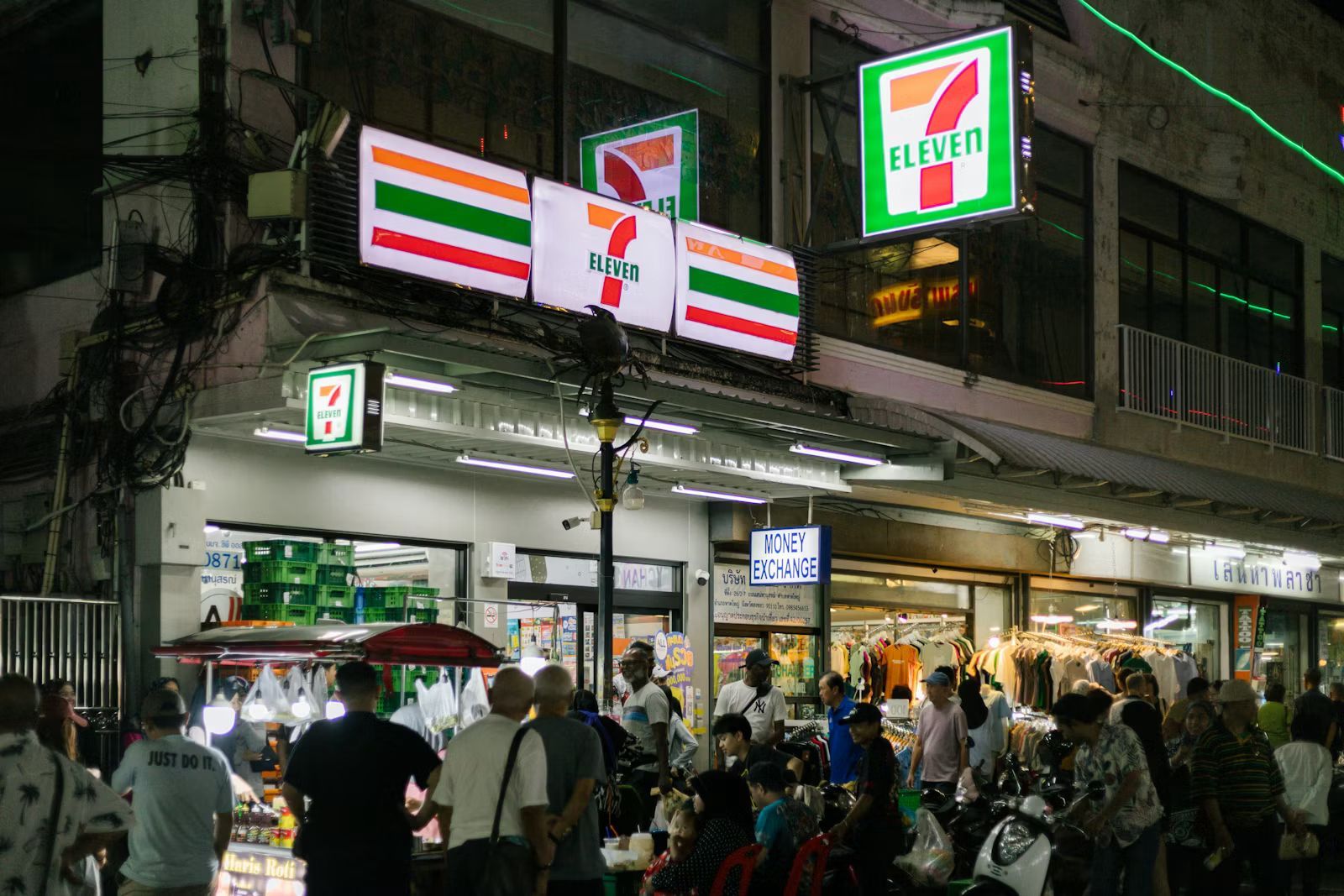
Living in Thailand is affordable compared to Western countries. However, there are many costs foreigners forget to consider when they budget their living expenses. Most condos charge electricity at variable rates, and air conditioning can double your bill during hot months. Foreign ATM withdrawals usually cost 250 baht per transaction, plus exchange mark-ups from your bank.
Groceries cost more than many expect if you buy western food, cheese, cereals, or wine. Even basic Western staples are priced well above local alternatives. Private healthcare requires upfront payment without insurance. Add visa extensions and re-entry permits, and monthly budgets stretch faster than expected.
How does healthcare really work for digital nomads?

Keep in mind that foreigners aren’t covered by Thailand’s public healthcare scheme. Public hospitals are legally permitted to apply tiered pricing, so non-Thai patients may pay higher rates. Private hospitals don’t use this system, so everyone pays private rates. These hospitals offer modern facilities, English-speaking staff, and faster access to specialists.
Is travel insurance enough for long-term stays?
For most digital nomads, the answer is no. Travel insurance is designed for short trips and limited exposure. Common exclusions include motorbike accidents, long-term treatment, pre-existing conditions, and injuries from certain activities.
What kind of health insurance do digital nomads in Thailand need?
Long-term visitors are better served by international health insurance rather than travel insurance. A suitable plan typically includes:
- Inpatient coverage for hospitalisation and surgery
- Outpatient coverage for consultations, tests, and medication
- Access to private hospitals with direct billing
- Emergency evacuation for serious illness or accidents outside major cities
- Guaranteed renewability for long-term protection
- Coverage that meets visa requirements, where applicable
When you look at the whole picture, living in Thailand requires an income that can sustains the cost of living here.
Just scraping by financially will not have a happy ending.
Be advised, living in Thailand without enough money to live the kind of life you expect will get older really fast and you will come to regret living here.