

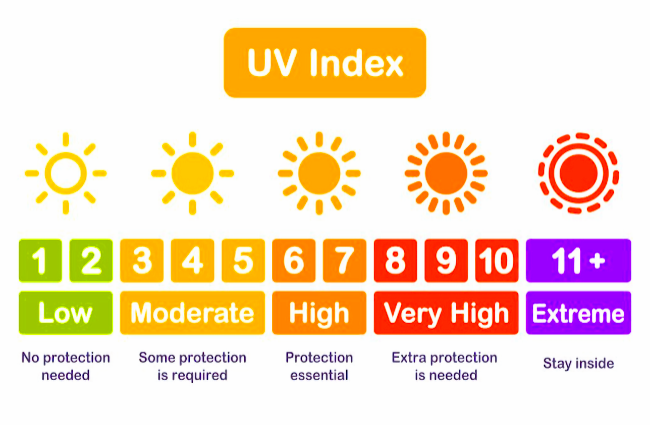

Rural Isaan in northeastern Thailand experiences some of the highest UV exposure levels in Southeast Asia, especially during the hot season from February through May. The combination of:
- intense tropical sun,
- long dry seasons,
- open rice-field terrain,
- reflective dry soil,
- and prolonged outdoor living
Creates a serious long-term UV exposure environment that many foreigners underestimate.
Why UV exposure is Especially Intense in Rural Isaan
1. Thailand’s Tropical Latitude
Thailand sits close to the equator, meaning the sun angle is high for most of the year. UV radiation remains strong even:
- in winter,
- on cloudy days,
- and during morning hours.
UV Index values in Isaan frequently reach:
- 10–13+
which is considered: - “Very High”
- or “Extreme”
by international standards.
At UV Index 11+, unprotected fair skin can begin burning in:
- 10–15 minutes.
Major Dangers of High UV Exposure
1. Skin Cancer Risk
The biggest long-term danger is cumulative skin damage leading to:
- basal cell carcinoma,
- squamous cell carcinoma,
- melanoma.
Americans and Europeans with lighter skin are at much higher risk in Isaan than many locals due to lower melanin protection.
Particular danger in rural Isaan:
People often:
- drive motorbikes,
- farm,
- walk outdoors,
- work around homes,
- or socialize outside
for many hours daily.
This creates chronic exposure.
2. Accelerated Skin Aging
UV radiation destroys:
- collagen,
- elastin,
- and skin structure.
Long-term effects include:
- deep wrinkles,
- leathery skin,
- brown spots,
- sagging,
- enlarged pores,
- permanently rough skin texture.
In tropical climates this process accelerates dramatically.
3. Eye Damage
Strong UV exposure can damage:
- corneas,
- retinas,
- and eye lenses.
Common long-term risks:
- cataracts,
- pterygium (“surfer’s eye”),
- retinal damage,
- vision decline.
This is especially common among:
- motorbike riders,
- farmers,
- construction workers,
- outdoor laborers.
Dust and dry-season wind in Isaan worsen irritation.
4. Heat illness and Dehydration
High UV usually accompanies:
- high temperatures,
- high radiant heat,
- and dehydration.
In Isaan hot season:
- air temperatures can exceed 40°C (104°F),
- ground temperatures become much hotter.
This creates risks of:
- heat exhaustion,
- heat stroke,
- kidney stress,
- electrolyte imbalance.
5. Immune Suppression
Heavy UV exposure can suppress parts of the immune system temporarily, increasing:
- skin infections,
- slower wound healing,
- cold sore outbreaks,
- inflammation.
6. Dangerous Reflected UV
Many people underestimate reflected UV exposure from:
- concrete,
- dry rice fields,
- standing water,
- white walls,
- metal roofs.
You can receive UV exposure from:
- above,
- sides,
- and reflected ground radiation simultaneously.
Why Foreigners Often Get Hit Harder in Isaan
Many newcomers from:
- the U.S.,
- Canada,
- UK,
- Northern Europe
are not acclimated to:
- tropical UV intensity,
- year-round sun exposure,
- outdoor living culture.
Common mistakes:
- no sunscreen during cloudy days,
- wearing tank tops daily,
- no hat on motorbike,
- outdoor gardening at noon,
- thinking “I don’t burn anymore.”
Even tanned skin still accumulates DNA damage.
Most Dangerous Times of the Day
The worst UV exposure is usually:
- 10:00 AM – 3:00 PM
Peak danger often:
- 11:30 AM – 1:30 PM
During hot season this can become extreme very quickly.
Precautions to Take in Rural Isaan
1. Wear High-Quality Sunscreen Daily
Use:
- SPF 50+
- broad-spectrum UVA/UVB
- water-resistant
Apply to:
- face,
- neck,
- ears,
- arms,
- hands,
- feet.
Reapply every:
- 2 hours outdoors,
- or after sweating.
Important:
Cheap low-quality sunscreen sold in some local shops may not perform well in extreme heat.
Look for reputable brands.
2. Wear UV-Protective Clothing
Best protection:
- long sleeves,
- lightweight breathable fabrics,
- UPF-rated clothing.
Common good choices:
- fishing shirts,
- UV arm sleeves,
- lightweight outdoor fabrics.
Dark tightly woven fabrics protect better than thin white cotton.
3. Always Wear a Wide-Brim Hat
Baseball caps are inadequate because:
- ears,
- neck,
- sides of face
remain exposed.
A wide-brim hat dramatically reduces cumulative exposure.
4. Protect Your Eyes
Wear:
- polarized sunglasses,
- UV400 protection.
Cheap fake sunglasses can be dangerous because pupils dilate without real UV blocking.
5. Avoid Midday Outdoor Work
Plan activities:
- early morning,
- late afternoon,
- evening.
Thai rural culture already adapts to this naturally.
6. Hydrate Aggressively
During Isaan hot season:
- drink electrolytes,
- not just plain water.
Heavy sweating removes:
- sodium,
- potassium,
- magnesium.
Signs of dehydration:
- headache,
- dizziness,
- dark urine,
- fatigue,
- muscle cramps.
7. Use Shade Structures at Home
Important for rural homes:
- covered patios,
- deep roof overhangs,
- shade trees,
- awnings,
- UV-blocking window film.
Concrete and metal roofs radiate enormous heat.
8. Motorbike Protection is Critical
Motorbike riders receive:
- direct UV,
- reflected road UV,
- hot wind exposure.
Recommended:
- gloves,
- neck gaiter,
- long sleeves,
- full-face helmet visor,
- sunscreen underneath.
9. Monitor UV Index Apps
Useful apps:
- weather apps with UV forecasts,
- WHO UV index tools.
A cloudy day in Thailand can still produce dangerous UV.
Rural Home Design Considerations in Isaan
For long-term health:
- orient homes to minimize west-facing heat,
- use insulated roofs,
- add covered outdoor areas,
- install ventilation,
- plant large shade trees,
- use reflective roofing materials,
- create shaded parking.
Traditional Thai homes evolved specifically to combat tropical heat and UV.
People at the Highest Risk
Extra caution is needed for:
- fair-skinned foreigners,
- older adults,
- children,
- bald individuals,
- outdoor workers,
- motorbike riders,
- people taking photosensitive medications.
Certain medications increase UV sensitivity dramatically.
Warning Signs You Should Not Ignore
Seek medical attention if you develop:
- changing moles,
- sores that do not heal,
- severe blistering burns,
- dizziness/confusion in heat,
- fainting,
- persistent eye pain,
- sudden vision changes.
Practical Reality of Isaan Sun Exposure
Many foreigners think:
“I’ve lived in Florida/Arizona/Texas before.”
But rural Isaan can feel harsher because exposure becomes:
- daily,
- prolonged,
- outdoor-centered,
- and year-round.
The combination of UV + heat + humidity + outdoor lifestyle creates cumulative effects surprisingly fast.